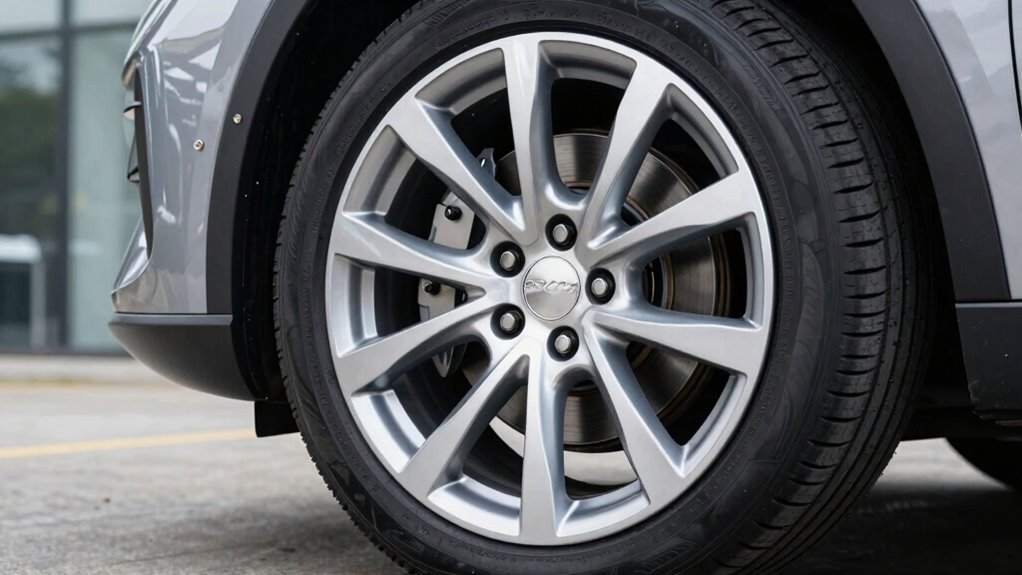

To make your daily car feel more precise, focus on a wheel and tire setup that balances responsiveness, stability, and comfort. Choose lightweight alloys to reduce unsprung weight and improve handling, while low-profile tires can sharpen steering. Proper alignment and best tire pressure boost grip and control. Aerodynamic considerations and the right tread pattern also help your car respond smoothly at various speeds. Keep exploring to discover more tweaks that can elevate your driving experience even further.

Get business pricing on garage and car supplies
- Business-only prices and quantity discounts
- Tax-exempt purchasing
- Multiple users, one account, clear invoices
Key Takeaways
- Use low-profile tires combined with lightweight alloy wheels for sharper steering response.
- Ensure proper wheel alignment and balanced tires to enhance handling accuracy.
- Optimize tire pressure for improved road contact and precise control.
- Select tires with tread patterns designed for maximum grip and minimal rolling resistance.
- Prioritize aerodynamic wheel designs and materials to reduce drag and increase stability.
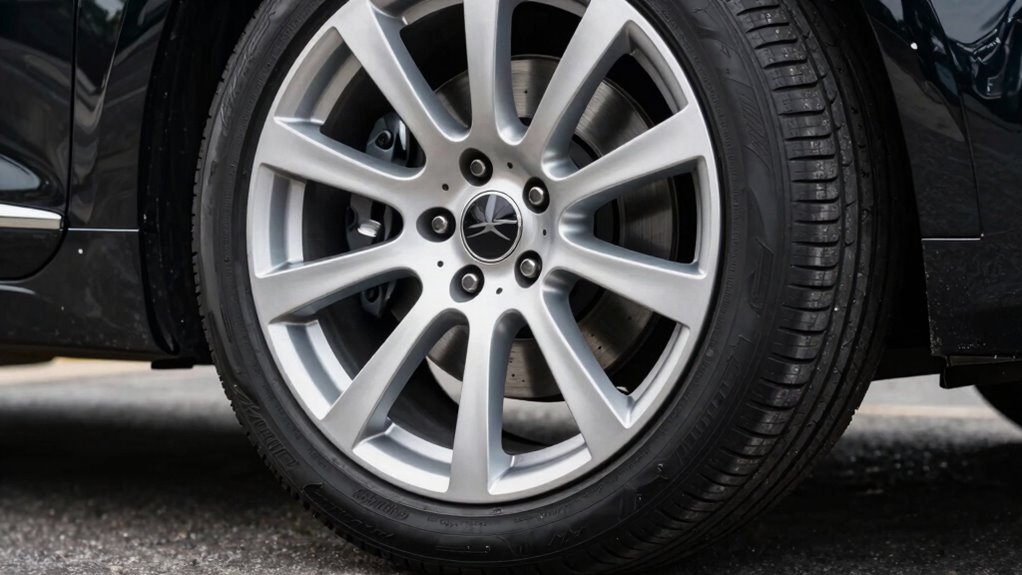
Your wheel and tire setup is a crucial part of your vehicle’s overall performance and handling. It directly influences how your car responds on the road, affecting everything from steering precision to ride comfort. When you choose the right wheels and tires, you can considerably improve your driving experience, making daily commutes more enjoyable and confident. One key aspect of this setup is aerodynamic efficiency, which impacts how smoothly your vehicle cuts through the air. Low-profile tires and lightweight alloys often help reduce drag, allowing your car to glide more effortlessly and enhancing fuel economy. This improved aerodynamic profile doesn’t just boost efficiency; it also contributes to a more stable ride at higher speeds, giving you a sense of control and responsiveness that feels more precise.
Optimizing wheel and tire choices enhances aerodynamics, stability, and overall driving precision for a smoother, more responsive ride.
Ride comfort is another critical factor you should consider when selecting your wheel and tire configuration. A well-suited setup balances stiffness and cushioning, absorbing road imperfections without sacrificing handling. Softer sidewalls with slightly larger diameters can smooth out bumps, making your daily drive less jarring. Conversely, if you prefer a sportier feel, opting for lower-profile tires may offer sharper steering and better feedback, though at the expense of some ride comfort. The goal is to find a sweet spot that enhances your vehicle’s responsiveness while still maintaining a comfortable ride. When you choose the right tire pressure and wheel alignment, you optimize contact with the road, which ensures more precise steering and better cornering. Additionally, selecting the appropriate material and construction of your wheels can improve durability and overall performance. Understanding the impact of wheel materials can help you make better choices for your driving needs. Furthermore, considering the aerodynamic efficiency of your setup can significantly influence your vehicle’s overall handling characteristics and fuel efficiency.
The materials and construction of your wheels also play a role in achieving this balance. Lightweight alloys help reduce unsprung weight, making your vehicle more agile and responsive. This not only improves handling but also minimizes fatigue from vibrations, further enhancing ride comfort. Properly fitted tires with the correct size and tread pattern can also improve grip and reduce rolling resistance, helping your vehicle respond more accurately to your inputs. When your wheels and tires work harmoniously, you’ll notice more immediate steering response and a feeling of direct connection with the road. This setup transforms your daily driving, making your car feel more agile, predictable, and enjoyable to operate.
In essence, your wheel and tire setup is about fine-tuning your vehicle’s dynamics. By prioritizing aerodynamic efficiency and ride comfort, you create a more precise driving experience that feels natural and effortless. When you pay attention to these details, your car becomes more than just transportation—it becomes a responsive extension of your driving intent.
lightweight alloy wheels for cars
As an affiliate, we earn on qualifying purchases.
As an affiliate, we earn on qualifying purchases.
Frequently Asked Questions
How Does Wheel Width Affect Handling?
A wider wheel improves handling by increasing the contact patch, giving you better grip and control. However, it also affects wheel offset, which can alter your car’s stance and steering feel. Keep in mind, a wider wheel often requires a lower profile tire sidewall to prevent rubbing, maintaining precise handling. Choosing the right width balances stability and responsiveness, making your daily driving feel more confident and engaging.
What’s the Best Tire Compound for Daily Driving?
For daily driving, you want a tire compound that’s reliable, responsive, and reasonably resistant. Look for tires with softer rubber tread for better grip and a flexible sidewall for comfort. A balanced blend offers precision without sacrificing safety. Choose tires with moderate tread softness for steady handling, and verify the rubber tread and sidewall work together to provide predictable performance on diverse daily surfaces.
How Often Should I Rotate My Tires?
You should rotate your tires every 5,000 to 7,000 miles to guarantee even wear. During rotations, it’s a good idea to get your tires balanced and your wheel alignment checked. Proper tire balancing prevents vibrations, while correct wheel alignment improves handling and extends tire life. Regular rotations combined with these maintenance steps keep your car feeling responsive and safe, making daily driving smoother and more precise.
Do Aftermarket Wheels Improve Ride Quality?
Did you know that 65% of drivers notice a difference in ride quality with aftermarket wheels? Custom wheel finishes can enhance your car’s look, but they also impact ride quality. Upgrading to aftermarket wheels often reduces tire noise and improves handling, making your daily drive smoother. So, yes, aftermarket wheels can boost ride quality, giving you a more comfortable and quieter ride while adding a personal touch to your vehicle.
What Are the Signs of Improper Tire Pressure?
If your tires feel uneven or your steering vibrates, you likely have improper tire pressure. You might also notice uneven tire tread wear, which signals misalignment or unbalanced tires. Regularly check your tire pressure and verify proper tire balancing and wheel alignment to prevent these issues. Maintaining correct pressure helps your car handle better, improves safety, and prolongs tire life.
Conclusion
So, next time you think bigger wheels and low-profile tires are all about style, remember—they might just make your daily drive feel more precise. Who knew that sacrificing comfort for that razor-sharp handling could turn your commute into a dance on the edge? Ironically, the setup meant to elevate your car’s look might actually elevate your driving experience—if only just enough to make you forget about the bumpiness. Now, isn’t that a twist worth considering?
Fall Picks
fall essentials
As an affiliate, we earn on qualifying purchases.