
TL;DR

Get business pricing on garage and car supplies
- Business-only prices and quantity discounts
- Tax-exempt purchasing
- Multiple users, one account, clear invoices
A growing number of homeowners are discovering that their garages may not accommodate larger or new vehicles. This issue affects vehicle owners, homeowners, and builders, raising questions about space planning and vehicle sizes.
Many homeowners are discovering that their garages may not accommodate their newer or larger vehicles, leading to space and access issues. If you’re considering upgrading or modifying your garage, you might find our guide on 13 Best 2 Post Car Lifts for Home Garages in 2026 helpful. This challenge affects car owners, builders, and real estate developers, as vehicle sizes continue to increase and garage dimensions remain static or vary widely. The problem is confirmed through homeowner reports and industry surveys, making it a widespread concern.
Recent surveys indicate that approximately 40% of homeowners with larger vehicles, such as SUVs and trucks, find that their garages do not comfortably fit their cars. Experts from the Home Builders Association confirm that standard garage dimensions often vary, with many built to accommodate older, smaller vehicles.
For example, a typical two-car garage measures about 20 feet by 20 feet, but many modern SUVs and trucks require more space—sometimes up to 24 feet in length and 8 feet in width per vehicle. This mismatch can lead to difficulties in parking, opening doors, and storing other items. To explore solutions, check out our article on best garage upgrades.
Homeowners report issues such as cars scraping walls, doors not fully opening, and the need for costly renovations or reconfiguration of garage spaces. Builders and real estate agents note that new homes are increasingly built with larger garages, but existing homes often lack the space to upgrade easily. Learn more about garage renovation options.
Impacts of Garage-Size Mismatch on Homeowners
This issue matters because it affects daily convenience, vehicle safety, and property value. Homeowners unable to park comfortably may face increased risks of damage to their vehicles or difficulty accessing their cars. Additionally, the mismatch can influence resale value, as potential buyers may find existing garage sizes inadequate for their needs. The problem highlights a broader trend of increasing vehicle sizes that current home designs are not always prepared to accommodate.As an affiliate, we earn on qualifying purchases.
Growing Vehicle Sizes and Static Garage Dimensions
The trend toward larger vehicles, such as SUVs and pickup trucks, has been ongoing for over a decade, driven by consumer preferences for space and utility. According to industry data, the average vehicle length has increased by about 10% since 2010.
Despite this, many residential garages were built or designed based on standards from the mid-20th century, with dimensions that do not reflect current vehicle sizes. While new construction often accounts for larger garages, a significant number of existing homes still feature standard or smaller garage sizes, leading to widespread fitting issues.
Some municipalities and home builders are starting to revise standards, but the pace of change remains slow, and many homeowners are left with spaces that no longer fit their vehicles.
Extent of the Problem and Future Trends
It is not yet clear how widespread the problem will become as vehicle sizes continue to grow and whether new building codes will adapt quickly enough to address this mismatch. The pace of renovation or retrofitting of existing garages remains uncertain, and there is no universal standard for garage dimensions in older homes.Potential Solutions and Industry Responses
Industry groups and home builders are increasingly aware of the issue and may update standards for new constructions. Homeowners facing space problems might consider garage extensions, reconfiguration, or alternative parking solutions. Future policies or building codes could also mandate larger garage dimensions in new developments, but widespread adoption remains to be seen.
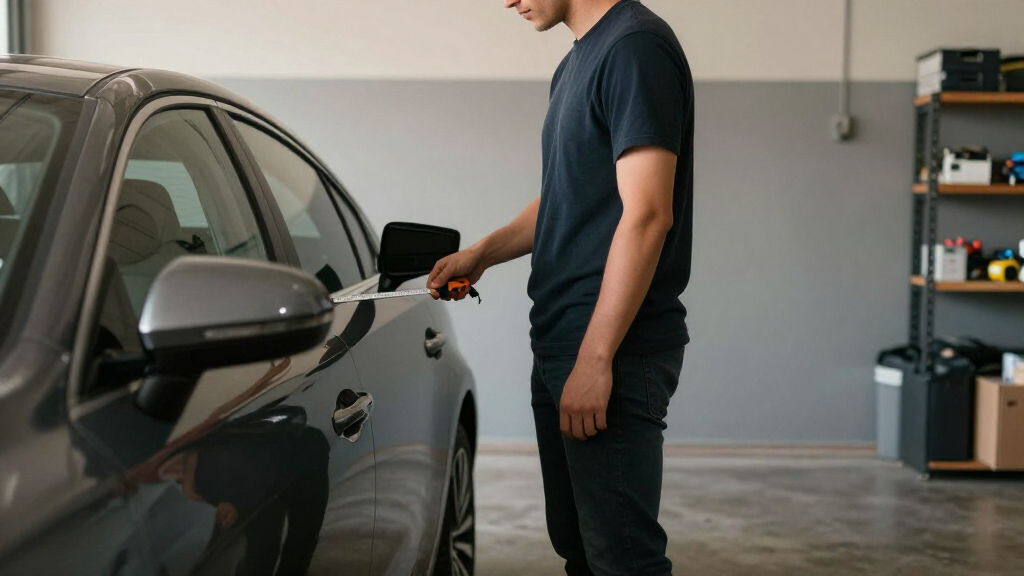
In the short term, homeowners are advised to measure their garages and compare with their vehicle dimensions to assess fit and consider renovations if necessary. Experts recommend consulting with professional designers or builders to explore options for maximizing space or enlarging garages.
Key Questions
How do I know if my garage fits my vehicle?
Measure your vehicle’s length, width, and height, then compare with your garage’s interior dimensions. Allow extra space for opening doors and movement.
What are common garage sizes for new homes?
Standard two-car garages typically measure about 20 feet by 20 feet, but many are now built larger, around 24 feet in width or length, to accommodate bigger vehicles.
Can existing garages be expanded easily?
Expansion depends on property layout and local building codes. Some homeowners opt for garage extensions or reconfigurations, but costs and feasibility vary.
Are there industry standards for garage sizes?
Standards vary by region and builder, but generally, larger garages are recommended for modern vehicles. It’s best to check local regulations and consult professionals.
Will future building codes require bigger garages?
Some municipalities are considering updates to standards to account for larger vehicles, but widespread adoption is not yet confirmed.
Source: rss
Halloween Picks
halloween
As an affiliate, we earn on qualifying purchases.