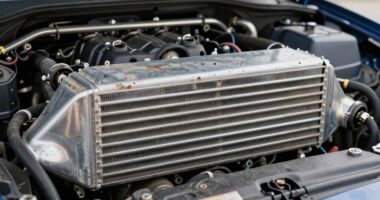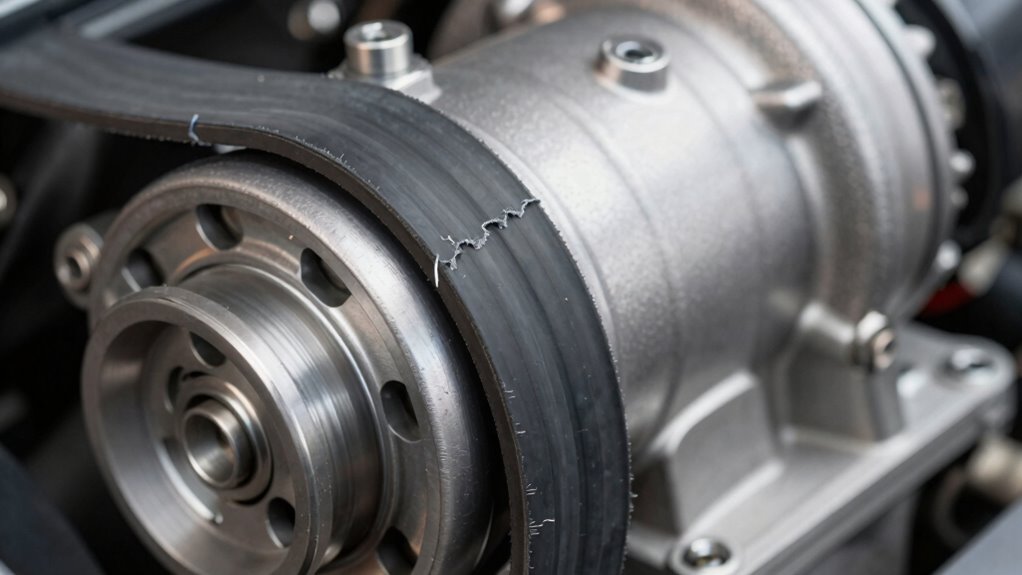

Belt slip in superchargers is a hidden issue that many buyers overlook, but it can seriously cut your power and efficiency. When the belt slips, less boost is transferred from the crankshaft to the supercharger, dropping engine performance and responsiveness. Poor belt material, improper tension, or misalignment cause slip and premature wear. Keeping an eye on belt condition and tension is essential for peak performance. If you want to prevent these problems, there’s more to discover below.

Get business pricing on garage and car supplies
- Business-only prices and quantity discounts
- Tax-exempt purchasing
- Multiple users, one account, clear invoices
Key Takeaways
- Belt slip reduces supercharger boost, decreasing overall engine power unexpectedly during upgrades.
- Overlooking belt tension and alignment can cause slip, leading to performance drops.
- Using low-quality belts increases the risk of slipping under high loads and heat.
- Worn or glazed belts may appear fine but can silently cause slip and efficiency loss.
- Regular inspection and maintenance are essential to prevent sudden belt failure and performance issues.

Supercharger belt slip is a common issue that can considerably reduce your engine’s performance and efficiency. When the belt slips, it fails to transfer power effectively from the crankshaft to the supercharger, resulting in decreased boost and overall power output. This problem often catches enthusiasts off guard because they focus on upgrading parts or tuning, overlooking the importance of proper supercharger maintenance. The key to preventing belt slip lies in understanding how belt material durability influences performance and how regular checks can keep things running smoothly.
Supercharger belt slip reduces power; regular maintenance and durable belts are key to optimal performance.
Belt material durability is essential because it directly impacts how well the belt withstands the forces inside your engine bay. Over time, belts can wear out, crack, or become glazed, especially if they’re made from inferior materials. High-quality belts, often constructed from reinforced rubber compounds or Kevlar, tend to last longer and resist slipping better under high loads. When choosing a belt, you should prioritize durability, since a more robust material can handle the increased tension and heat generated during high-performance driving. If the belt isn’t durable enough, it may stretch or break prematurely, leading to slip or complete failure. Regularly inspecting the belt for signs of wear and replacing it before it fails is a key aspect of supercharger maintenance. Additionally, understanding the importance of belt material durability can help you select the best components for sustained performance. Ensuring the belt’s material quality is crucial because it determines how well it maintains tension and resists heat and stress over time. Incorporating proper tensioning techniques can further enhance the longevity of your belt. Moreover, choosing belts with high-quality reinforcement can contribute significantly to overall belt lifespan and slip prevention. Being aware of manufacturing standards also helps in selecting reliable belts that meet safety and durability benchmarks.
Maintaining proper tension is another essential factor in preventing belt slip. A belt that’s too loose won’t transfer power efficiently, while one that’s too tight can cause excessive wear on bearings and pulleys. Proper tensioning, combined with high-quality belt material, ensures your supercharger operates at its peak. Additionally, keeping your pulleys clean and aligned reduces unnecessary strain on the belt. Misalignment or debris can cause uneven wear and increase the risk of slippage. Regular supercharger maintenance routines, including checking tension and inspecting the belt’s condition, help catch issues before they lead to performance problems.
Even if you invest in a top-tier belt, neglecting these maintenance practices can lead to slip issues down the line. Remember, belts are a consumable component; they require periodic replacement to maintain peak performance. Monitoring belt tension, inspecting for cracks or glazing, and opting for belts with high belt material durability are simple yet effective ways to ensure your supercharger continues to deliver the power you expect. When you stay proactive with maintenance, you minimize downtime and keep your engine running smoothly, avoiding the frustration and performance dips caused by unexpected belt slip.
As an affiliate, we earn on qualifying purchases.
Frequently Asked Questions
Can Belt Slip Damage the Supercharger or Engine?
Yes, belt slip can damage your supercharger or engine if not addressed. When the belt slips, it causes improper supercharger operation, which can lead to increased wear and potential damage. Regular supercharger maintenance, including checking belt tension adjustment, helps prevent slip. Keep the belt properly tensioned and in good condition to avoid these issues, ensuring your supercharger runs smoothly and lasts longer.
How Often Does Belt Slip Typically Occur?
Belt slip usually happens every few thousand miles or during extreme conditions, much like a car skidding on a wet road. It often results from improper belt tension or pulley misalignment. If you keep your belt tight and check pulley alignment regularly, you can substantially reduce slip chances. Proper maintenance helps your supercharger perform smoothly, preventing that sudden loss of power and potential damage.
Are Certain Supercharger Brands More Prone to Belt Slip?
Some supercharger brands are more prone to belt slip due to differences in supercharger compatibility and belt tensioning techniques. Brands like Edelbrock and ProCharger generally have reliable designs, but improper belt tensioning can cause slip regardless of brand. To prevent this, you should regularly check belt tension and guarantee proper installation. Using the right tensioning techniques helps maintain ideal grip, reducing the risk of belt slip across all supercharger brands.
What Are Early Signs of Belt Slip?
You’ll notice early signs of belt slip through squealing sounds, reduced supercharger performance, and visible belt slipping or slipping marks. Pay close attention to changes in belt material, like cracks or glazing, and guarantee your supercharger alignment remains precise. These signs indicate your belt isn’t gripping properly, risking further damage. Regular inspections help catch issues early, keeping your supercharger running smoothly and preventing costly repairs down the line.
How Can I Prevent Belt Slip in My Supercharger?
To prevent belt slip in your supercharger, make sure your supercharger pulley is properly matched and in good condition. Regularly check belt tension; it should be snug but not overly tight. Use high-quality belts designed for superchargers, and replace them if they show signs of wear or cracking. Proper alignment and maintaining the correct belt tension are vital for reliable performance and to avoid slip issues during high boost conditions.
Conclusion
So, next time you’re eyeing that supercharger upgrade, ask yourself: are you prepared to handle potential belt slip issues? It might seem like a small detail, but ignoring it could cost you more in repairs and downtime. Staying aware of these common problems helps you avoid surprises on the road. After all, isn’t your ride’s performance worth a little extra attention? Don’t let belt slip catch you off guard—be proactive and keep your supercharger running smoothly.
Halloween Picks
halloween
As an affiliate, we earn on qualifying purchases.